
Online Private Yoga Classes

Yoga

For Anyone At Home

Or Anywhere Else
What to expect from a Yoga Class?
- You'll learn new breathing practices.
- The yoga instructor will ask you to pay attention.
- You're likely to feel slightly uncomfortable.
- The instructor may offer adjustments.
- The class will probably end with deep relaxation.

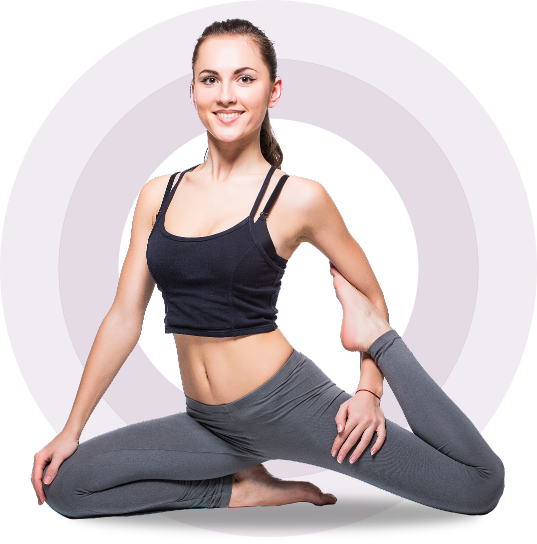

- Be prepared to move and do a series of poses.
- You'll probably feel lost.
- You're lProps will probably be available.ikely to feel slightly uncomfortable.
- Your instructor might lead you in a chant or meditation.
- Expect to feel sore the next day.
Does Yoga Hurt?
While yoga is generally considered a low-impact exercise, it can still significantly strain your muscles. The eccentric muscle contractions common in almost all types of yoga can cause microscopic tears in the muscles and fascial tissues.
The three most common adverse effects reported were:

Soreness and pain

Muscle injuries

Fatigue
How long should a Yoga Session be?
If yoga is NOT your only workout, complete at least 2-3 yoga sessions per week for a minimum of 60-100 minutes of yoga per week. The yoga you do should focus on aspects of fitness NOT covered in your other workouts, typically including mobility, flexibility, balance, breathing, therapeutic stretching, and body awareness.
If yoga is your only workout, aim for at least 20-30 minutes of yoga six days per week. If necessary, you can start with three days per week for your first month. As your fitness level increases, you can increase that to 40-70 minutes per day.
How does yoga work?
Yoga is an ancient and complex practice rooted in Indian philosophy. It began as a spiritual practice but has become popular to promote physical and mental well-being. Although classical yoga also includes other elements, yoga, as practiced in the United States, typically emphasizes physical postures (Asanas), breathing techniques (Pranayama), and meditation (Dyana).
There are many different yoga styles, from gentle to physically demanding. Differences in the types of yoga used in research studies may affect study results. This makes it challenging to evaluate research on the health effects of yoga.

What are the Health Benefits of Yoga?
- Help improve general wellness by relieving stress, supporting good health habits, and improving mental/emotional health, sleep, and balance.
- Relieve low-back pain and neck pain, and possibly pain from tension-type headaches and knee osteoarthritis.
- Help people who are overweight or obese lose weight.
- Help people quit smoking.
- Help people manage anxiety or depressive symptoms associated with difficult life situations.
- Relieve menopause symptoms.
- Help people with chronic diseases manage their symptoms and improve their quality of life.
- Although there's been a lot of research on the health effects of yoga, many studies have included only small numbers of people and have yet to be of high quality. Therefore, in most instances, yoga has shown promise for particular health uses, but it still needs to be proven to help.
For Whom Yoga is Good?
FAQ's

Who do People do Yoga?
What is the Main Aim of Yoga?
Is Yoga "OKAY" Every Day?
How Effective is Online Yoga?